
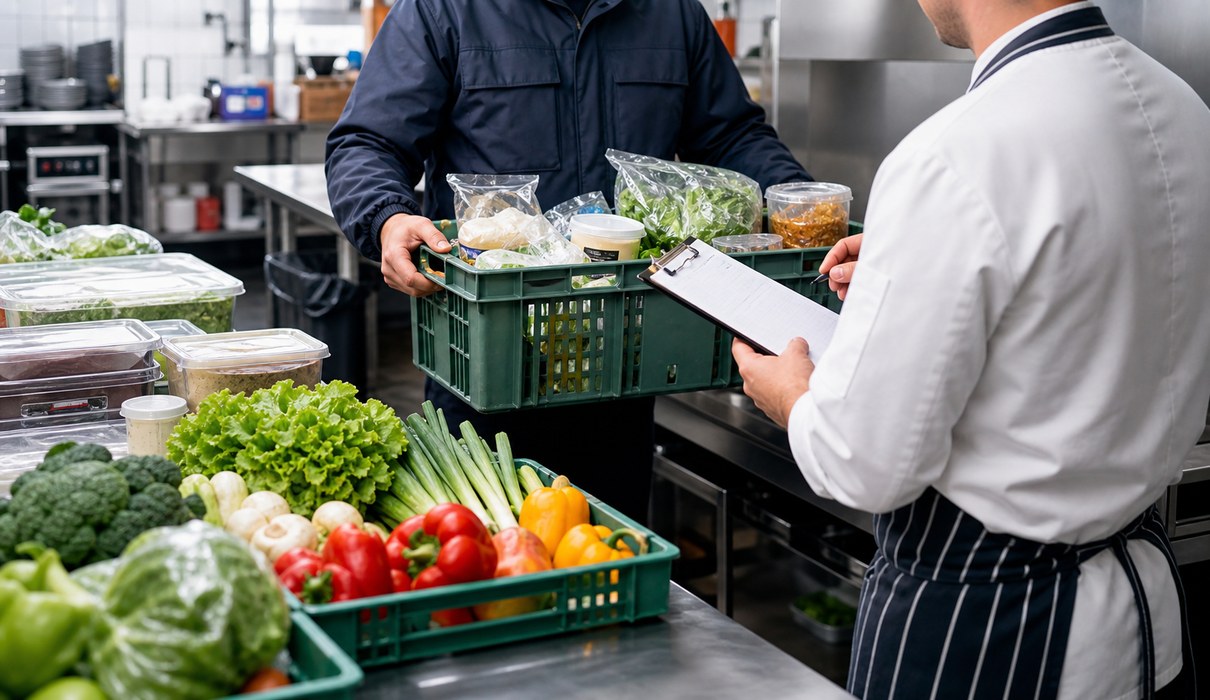
Behind every successful restaurant is something diners never see: a dependable supply chain. The quality of a dish begins long before it reaches the kitchen, with the suppliers who provide the ingredients. For restaurant and cafe owners, choosing the right food supplier is not a back-office detail. It is one of the most important business decisions you will make, and it can quietly determine whether your restaurant thrives or struggles.
Quality starts at the source
No chef, however talented, can turn poor ingredients into a great dish. Fresh produce, good-quality meat, proper dairy, and well-roasted coffee all start with the supplier. When the raw materials are consistently good, the kitchen can do its best work. When they are not, even a strong menu suffers.
This is why the best restaurants treat supplier selection as seriously as hiring staff. A reliable supplier becomes a partner in your reputation. Every plate you serve carries their quality, for better or worse, so the standard they hold themselves to becomes the standard your customers experience.
Consistency keeps customers coming back
Diners return to a restaurant because they trust it. They expect the laksa to taste the same on their tenth visit as it did on their first, and the flat white to be as good today as last week. That consistency depends heavily on suppliers delivering the same quality, the same specifications, and the same reliability every single time.
An unreliable supplier breaks that trust. If deliveries arrive late, ingredients vary in quality, or items are out of stock, the kitchen is forced to improvise, and customers notice. Over time, inconsistency drives regulars away. A steady, dependable supplier, by contrast, lets you promise the same experience again and again, which is the foundation of customer loyalty.
Suppliers affect far more than quality. They shape your margins. Pricing, delivery reliability, minimum order quantities, and product shelf life all influence how much you spend and how much you throw away.
A good supplier helps you control costs in several ways. Reliable delivery schedules let you order closer to actual demand, reducing the need to over-stock perishable items that may spoil. Consistent quality means fewer rejected deliveries and less wasted product. Fair, transparent pricing protects your margins, and a supplier who communicates well about availability helps you plan your menu around what is genuinely in season and good value.
In a business where margins are often thin, these factors add up quickly. The cheapest supplier is rarely the most economical once waste, inconsistency, and unreliable delivery are taken into account.
What to look for in a food supplier
When evaluating a supplier, look beyond the price list and consider the whole relationship:
- Consistent quality. Ask for samples and check whether the standard holds over repeated deliveries, not just the first one.
- Reliable delivery. Punctual, predictable delivery is essential for kitchen planning. Late or missed deliveries cause real damage.
- Range and availability. A supplier who can meet most of your needs simplifies your operations and reduces the number of relationships you have to manage.
- Food safety and hygiene. Proper handling, storage, and transport are non-negotiable, especially for perishable items.
- Communication. A supplier who tells you in advance about price changes or shortages lets you plan rather than scramble.
- Flexibility. As your restaurant grows or your menu changes, a good supplier adapts with you.
Building a partnership, not just a transaction
The strongest supplier relationships are partnerships. When a supplier understands your business, your standards, and your busy periods, they can support you better, flag opportunities, and help you through difficult stretches. It is worth investing time in these relationships, communicating clearly, paying on time, and treating suppliers as part of your team rather than a line item to squeeze.
Many successful operators also keep a backup supplier for key items. Even the best supplier can face disruptions, and having an alternative ready protects your kitchen from being caught short.
Frequently asked questions
How many suppliers should a restaurant have?
There is no fixed number. Many restaurants use a small core of trusted suppliers for the bulk of their needs, plus a few specialists for particular items. Keeping a backup for critical ingredients is wise.
Is the cheapest supplier always the best choice?
No. The lowest price can hide higher costs through inconsistent quality, waste, and unreliable delivery. Value, reliability, and consistency usually matter more than headline price.
How often should I review my suppliers?
Review key suppliers regularly, at least once or twice a year, comparing quality, pricing, and reliability against alternatives to make sure you are still getting good value.
A reliable supply partner in the Klang Valley
For restaurants and cafes that want dependable sourcing, Food Connection is a food supplier serving the Klang Valley, helping F&B businesses keep their kitchens stocked with quality supplies. From everyday ingredients to coffee and specialty items, working with a supplier who values consistency and reliable delivery takes one of the biggest pressures off a busy operation, so you can focus on what you do best: serving great food to your customers. To find out more about supply options for your restaurant or cafe, visit foodconnection.com.my.